
Last Updated on 06/09/2022 by qhbake
The process of manufacturing gummy snacks is based on a few different steps. First, ingredients are deposited in a pre-heated kettle. During this cooking stage, the temperature is adjusted so that the resulting product has the properties it is advertised for. Next, the ingredients are transferred to a storage tank and citric acid is added to form a gel-like consistency. The slurry is then moved to the depositor by heated pipes, where it is deposited into molds. These molds are typically pre-treated with oil to prevent sticking.
Gelatin gummies
Nutraceutical gummies are a growing market, but the question is: How are they made? Gelatin is one of the most common ingredients used in these products. However, plant-based alternatives have many advantages over gelatin, including shorter setting and drying times. Additionally, combining plant-based gelatin with other ingredients can help meet the requirements of clean-label gummies.
During the manufacturing process, gummy ingredients are deposited into a preheated kettle. The temperature at which the mixture is cooked will impact the properties of the final product. The slurry is then removed from the kettle and moved to a storage tank. Finally, the final ingredients are added, such as citric acid. This creates a gel-like consistency that will be transferred to molds. The molds are often pre-treated with oil to avoid sticking to the gummy.
Plant-based gummies
While gelatin still dominates the gummy market, plant-based agents are quickly gaining ground, especially with consumers’ concern over animal-based ingredients. These natural ingredients have higher melting points and are generally less expensive. Duckweed extract, for example, allows supplement manufacturers to match the protein content of animal-based products while lowering their carbon footprint. Meanwhile, Catalent, the company that recently acquired Bettera Brands, plans to expand its consumer health technology platform by acquiring other portfolio companies from Highlander Partners.
The process of manufacturing plant-based gummies is largely the same as that of other gummies, but they may differ slightly in terms of texture and flavor. Plant-based gummies have a soft, shorter texture, which may appeal to new consumers. The manufacturing process, too, should not compromise the quality of the product. However, plant-based gummies are more likely to hold their shape and set faster.
High-protein gummies
Gummies are a common delivery method for active ingredients and nutrients. The benefits of gummies are their controlled release and taste, which appeal to consumers. However, gummies do have some drawbacks. The manufacturing process is complex, and gummies do not offer the same stability and solubility benefits as pharmaceutical gummies. Hence, a high-quality gummy product will be highly priced and have a large market share.
As a result, the demand for these supplements is expected to grow despite the presence of protein powders and bars. To cater to the needs of this market segment, the market players are focusing on introducing high-protein gummies in various flavors and shapes. The market for these products will witness a healthy growth over the forecast period, thanks to the growing awareness of consumers about the benefits of consuming health & wellness supplements.
Fruit gummies
If you are wondering how fruit gummies are made, you should know that these sweets are made in factories. A candy factory employs hundreds of workers and processes about 100 million goldbears a day. The manufacturing process involves several steps: the dissolving of sugar and gelatin, cooking the gummy, mixing the gummy and de-moulding the candy. There is a jelly candy production line that processes up to 350 kilograms per hour.
In addition to direct labor, manufacturers have to pay manufacturing overheads. These are expenses other than the salaries of production staff. Overhead costs include salaries for manufacturing managers, materials and quality control staff. Additionally, energy, water, and telephone bills are expenses that manufacturers must pay. Accounting and legal fees are also part of the manufacturing overhead costs. For each unit of gummy, a manufacturer will have to pay for overhead costs.
Vitamin gummies
How are vitamin gummies made? A factory will have a process for creating a gummy vitamin. The process is done by cooling the vitamin down to 65 degrees Fahrenheit, removing it from the mold, and leaving it for two to six hours to dry. Finally, the vitamin gummies are placed in a large tumbler to dry. During this process, a team of experts will ensure the safety and quality of the product.
A manufacturing process for vitamin gummies begins by selecting a perfect gelling agent. This agent is important because it will affect the taste and appearance of the gummy. Superior will guide you through the entire process. You can choose from vegan, halal, and sugar-free varieties. Gummies can even contain omegas or CBD. And they are bioavailable and have a longer shelf life. Vitamin gummies are not only a fun way to get your daily vitamins, but also a delicious snack.
-
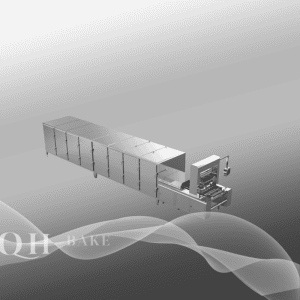
150 Auto starch less gummy candy depositing line: 60,000 gummies/h 280pcs of mold inside machine 8-10PH Cooling unit
-
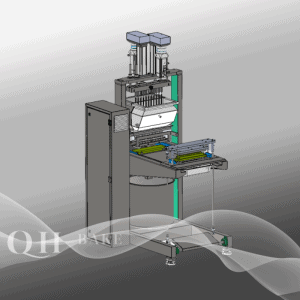
20S Servo-Form candy depositing Equipment: Cavity PCS: ±20; 100x80x160 Size(cm)
-
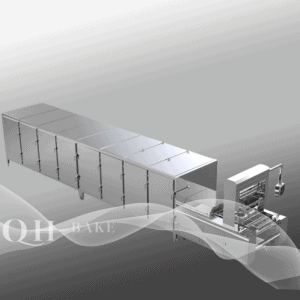
300 Auto starch less gummy candy depositing line 120,000 gummies/h 8-10PH Cooling unit 280pcs of twin-mold inside machine
-
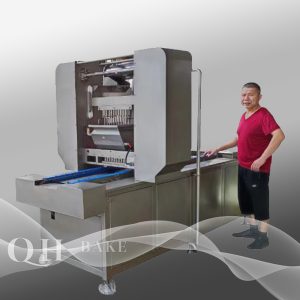
50S Servo Control Candy Depositor: Servo; Cavity PCS: ±20; 200x100x170 Size(cm)
-
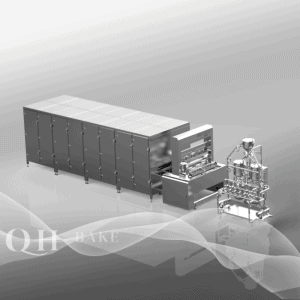
600 Auto starch less gummy candy depositing line: 240,000 gummies/h 10-20 PH Cooling unit 520pcs of twin-mold inside machine
-
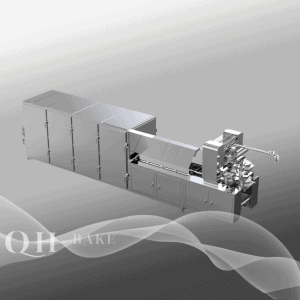
80 Automatic Gummy Candy Production Line: 40,000 gummies/h 5-8PH Cooling unit 200pcs of mold inside machine
-

Automatic cookie production line For Slaes – Cookie Machine
-

Automatic Konjac Pearl Making Machine For Sales – Supplier & Manufacuture
-

Automatic Lollipop Production Line For Sale – Candy Machine Factory
-

Automatic Starch-less Depositing Production Line: Revolutionizing Candy Manufacturing
-

Biscuit Plant Machinery
-
Biscuit Production Line

 English
  Español de México
  Français
  Deutsch
  日本語
日本語  한국어
한국어  Italiano
  Português do Brasil
  Dansk
Dansk  Svenska
  Nederlands
  Русский