
Última actualización el 07/06/2022 por qhbake
What is a gummy vitamin and how is it made? This article will tell you all about how gummy vitamins are made, including the ingredients, the packaging, and the shelf life of these vitamin treats. In addition, we will talk about how gummy vitamins are marketed and sold. It’s an exciting way to learn about the science behind the product you take everyday. This article is not an exhaustive guide to gummy vitamins, but it should give you a good idea of what goes into making one.
gummy manufacturing process
The gummy vitamin manufacturing process starts with the creation of a slurry. This liquid is then transferred to a large holding tank where the mixture is tested for contaminants. The gelatin base and the vitamin mixture are then piped into a mixing tank, where they are blended and heated to a temperature of 65°F (18°C). Then the mixture is poured into molds and allowed to cool. The gummies are then placed into trays for drying. The final step is the application of a coating and quality control.
The gummy vitamin industry is an incredibly profitable industry. The nutritional value and taste of these candies has made the industry a multi-billion dollar industry. Pharmaceutical gummy products are manufactured in a similar way. But they have active ingredients, while candies are created solely for taste. For this reason, the process for manufacturing a gummy vitamin is similar to that of making candies. Here are some of the key factors to keep in mind when establishing a gummy vitamin manufacturing business.
Ingredientes
To make a gummy vitamin, you need to know what goes into their manufacturing process. Gummy vitamins are traditionally made with sugar, citric acid, flavorings, glucose syrup, and gelatin. Some manufacturers use alternative ingredients to gelatin, such as agar-agar, dried seaweed, and pectin, which is a component of fruit cell walls. Vegan gummies can also include carrageenan, vegetable gum, and tapioca dextrin.
In addition to gelatin, manufacturers of gummy vitamins must also choose the right gelling agent, as this will determine how they look and taste. Companies such as Superior can guide brands through the process and produce gummies in a clean label and halal version. Other ingredients that can be added to gummy vitamins include CBD, CoQ10, and Omegas. Manufacturers can even add their own ingredients, like CBD, to make the gummies more palatable.
embalaje
Gummy vitamin packaging can be a challenge for CPGs. There are various challenges associated with gummy vitamin filling, including their sticky consistency and clumping. Linear scales can also have problems with gummy vitamins because of these factors. Ohlson Packaging recommends using a multi-head scale for this process. It also offers convenience. In addition, more flavors can increase brand exposure. Therefore, it is essential to choose a suitable packaging solution.
The bottles & jars segment dominated the global gummy vitamin market in 2019. This segment offers airtight characteristics that protect the gummy composition from external elements. The bottles and jars are made of plastic or glass material. These containers are easy to transport. Packaging gummy vitamins in plastic jars and bottles is cost-effective and convenient. Gummy vitamin bottles are also available in cartons. However, these containers are bulky and may not be ideal for gummy vitamin filling.
Duración
A gummy vitamin’s shelf life depends on several factors, including its form and packaging. Some vitamins tend to lose their potency more quickly than others, but they do not expire completely. For example, a gummy vitamin with a flip top may not be as fresh as one that has a screw-on cap. This could lead to a vitamin expiring sooner than it should. In addition, a gummy vitamin with an opaque container may have a longer shelf life than one in a flip-top container.
One major concern associated with gummy vitamins is the safety of the nutrients contained in these products. Some vitamin gummies may contain excessive amounts of certain nutrients, and this can pose a danger to the health of consumers. This is a major challenge facing the gummy vitamin market worldwide. The solution is to produce vitamin gummies that are made of natural fruit flavorings. This way, consumers can be assured that the product they’re consuming is safe and not contaminated with potentially harmful substances.
Costo
The cost of gummy vitamins manufactured in a factory can vary greatly, depending on the ingredients used, as well as the manufacturing process. It can be difficult for a new manufacturer to begin, as gummies are made with specialized equipment. The high cost and lack of experience has kept smaller companies from entering the gummy vitamin market. Although some new contract manufacturers have entered the gummy vitamin market in recent years, these companies still face several hurdles.
Due to the increased costs of manufacturing gummy vitamins, the cost of a single serving of gummy vitamin is considerably higher than for a similar quantity of conventional vitamin dietary supplements. The cost of raw materials used for manufacturing gummies will fluctuate over time, depending on the availability of raw materials. Manufacturers are constantly monitoring their costs to ensure that their prices remain competitive in the market. Nevertheless, the high cost of gummy vitamins manufacture means that they can charge a premium for the products.
Suppliers
To produce a quality, tasteful, and unique gummy vitamin, suppliers must carefully select the perfect gelling agent. Luckily, companies like Superior can guide brands through the process. Not only can they produce gummies that adhere to halal, sugar-free, and vegan standards, but they can also include a range of additional ingredients such as CoQ10, Omegas, and CBD. Gummies are particularly effective for providing a high bioavailability of nutrients.
When selecting a supplier, look for the following traits. Ideally, they manufacture their products in-house. This will make the overall cost much more affordable, as there is no middleman. A manufacturer will also be able to provide other peripheral services, such as packaging, labeling, and fulfillment. This is a valuable resource for sellers who wish to reach a wider audience with their gummy vitamins. If you’re unsure about the best company to work with, contact a manufacturer first.
-
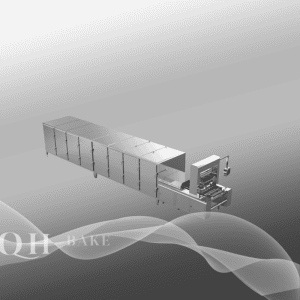
Línea de deposición automática de caramelos gomosos sin almidón n.° 150: 60 000 gomitas/h, 280 piezas de molde dentro de la máquina, unidad de enfriamiento de 8 a 10 pH.
-
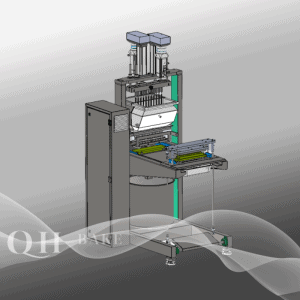
Máquina de deposición de caramelos Servo-Form 20S: Cavidad PCS: ±20; Tamaño (cm): 100x80x160
-

Línea de depósito automático de gomitas sin almidón 300, 120 000 gomitas/h, 8-10 pH, unidad de enfriamiento, 280 moldes dobles en el interior de la máquina.
-
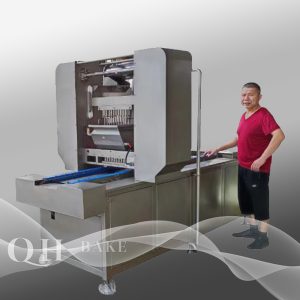
Depositador de dulces con servocontrol 50S: Servo; Cavidad PCS: ±20; Tamaño (cm): 200 x 100 x 170
-
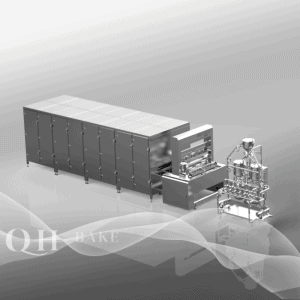
Línea de depósito automático de gomitas sin almidón 600: 240 000 gomitas/h Unidad de enfriamiento de 10-20 pH 520 piezas de molde doble dentro de la máquina
-
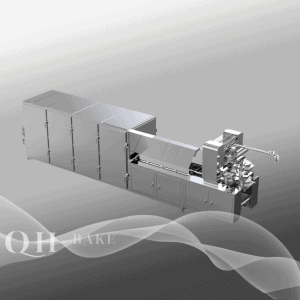
Línea de producción automática de gomitas 80: 40 000 gomitas/h, 5-8PH, unidad de enfriamiento, 200 moldes dentro de la máquina
-

Línea automática de producción de galletas para Slaes - Máquina de galletas
-

Máquina automática para fabricar perlas Konjac para ventas - Proveedor y fabricante
-

Línea de producción automática de piruletas para la venta - Fábrica de máquinas de dulces
-

Línea de producción automática de deposición sin almidón: revolucionando la fabricación de dulces
-

Biscuit Plant Machinery
-
Línea de producción de galletas

 Español de México
  English
  Français
  Deutsch
  日本語
日本語  한국어
한국어  Italiano
  Português do Brasil
  Dansk
Dansk  Svenska
  Nederlands
  Русский