

Última actualización el 10/06/2024 por QHBAKE
Hello, future gummy barons and sugar moguls! Are you ready to dive into the bubbling, sometimes sticky, world of commercial gummy production? If you’ve ever found yourself daydreaming about crafting the perfect gummy bear or creating a gummy empire, you’ve come to the right place.
But before you start envisioning gummy castles in the sky, it’s time to talk about the nitty-gritty: the costs associated with purchasing and operating a commercial gummy making machine.
Let’s not sugarcoat it—this is an investment, but one that can pay off in spades if managed wisely.
The Purchase Price: Your First Step in Gummy Ownership
Let’s start with the upfront cost: the purchase price of the machine itself. This is like the admission ticket to the gummy amusement park. Commercial gummy making machines can range in price from a few thousand for smaller, entry-level models to tens of thousands for larger, more sophisticated machines.
The price tag depends on factors such as size, capacity, features, and the manufacturer’s reputation. Think of it as choosing between a single gummy bear and an all-you-can-eat gummy buffet—the more you pay, the more gummies you can make.
Operational Costs: The Ongoing Sweet Commitment
Now that we’ve covered the initial investment, let’s talk about the ongoing operational costs. These are the breadcrumbs you’ll need to keep laying down to ensure your gummy production line keeps humming along. Operational costs include:
- Energy Consumption: Running a gummy making machine requires power, and power costs money. The size and efficiency of your machine will determine how much energy it consumes.
- Maintenance and Repairs: To keep your machine in tip-top shape, regular maintenance and occasional repairs are necessary. This is like taking your gummy machine to the spa for a tune-up.
- La formación del personal: Operating a commercial gummy making machine requires skilled staff. Training your team will have a cost, but it’s an investment in the quality of your product.
- Ingredientes: Don’t forget the raw materials that go into making your gummies. The cost of gelatin, sugar, flavorings, and other ingredients will add up over time.
Datos estadísticos
According to a report by Grand View Research, the global gummy confectionery market size was valued at USD 5.05 billion in 2018 and is expected to expand at a CAGR of 4.7% during the forecast period. This growth indicates a rising demand for gummy products, which can translate into potential profits for those who invest wisely in gummy making machinery.

Máquina para hacer gominolas de vitaminas
Cost-Efficiency and Return on Investment (ROI)
When considering the costs, it’s crucial to weigh them against the potential return on investment. A well-chosen, efficiently operated gummy making machine can pay for itself over time through the sales of your gummy products. To calculate ROI, you’ll need to consider the total costs, including purchase price, operational expenses, and the revenue generated by your gummies.
The Impact of Scale
The scale of your operation plays a significant role in determining costs. Smaller businesses might opt for a more affordable machine and produce gummies in smaller batches, while larger operations can afford more expensive machines that produce gummies on a grand scale. It’s all about finding the right balance that suits your business model and market demand.

Ositos de goma
Conclusión
Understanding the costs associated with purchasing and operating a commercial gummy making machine is crucial for any aspiring gummy entrepreneur. By considering the initial investment, ongoing operational costs, and potential ROI, you can make an informed decision about entering the sweet world of gummy production. Remember, the key to success is not just in the chewiness of your gummies but also in the smart management of your resources.

Llamada a la acción
Ready to take the leap into the gummy business? Keep exploring the world of commercial gummy making with us. Stay tuned for more articles on gummy production, from the latest industry trends to expert advice on creating the perfect gummy treat.
-
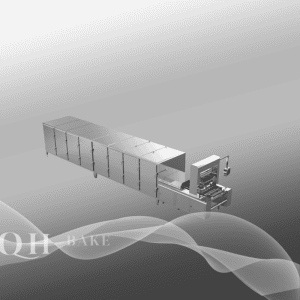
Línea de deposición automática de caramelos gomosos sin almidón n.° 150: 60 000 gomitas/h, 280 piezas de molde dentro de la máquina, unidad de enfriamiento de 8 a 10 pH.
-
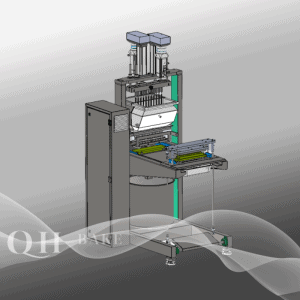
Máquina de deposición de caramelos Servo-Form 20S: Cavidad PCS: ±20; Tamaño (cm): 100x80x160
-
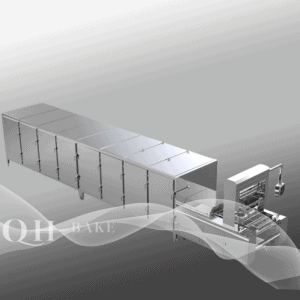
Línea de depósito automático de gomitas sin almidón 300, 120 000 gomitas/h, 8-10 pH, unidad de enfriamiento, 280 moldes dobles en el interior de la máquina.
-
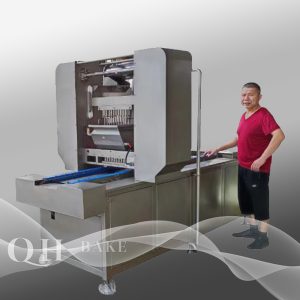
Depositador de dulces con servocontrol 50S: Servo; Cavidad PCS: ±20; Tamaño (cm): 200 x 100 x 170
-
Línea de deposición automática de caramelos gomosos sin almidón n.° 150: 60 000 gomitas/h, 280 piezas de molde dentro de la máquina, unidad de enfriamiento de 8 a 10 pH.
-
Máquina de deposición de caramelos Servo-Form 20S: Cavidad PCS: ±20; Tamaño (cm): 100x80x160
-
Línea de depósito automático de gomitas sin almidón 300, 120 000 gomitas/h, 8-10 pH, unidad de enfriamiento, 280 moldes dobles en el interior de la máquina.
-
Depositador de dulces con servocontrol 50S: Servo; Cavidad PCS: ±20; Tamaño (cm): 200 x 100 x 170
-
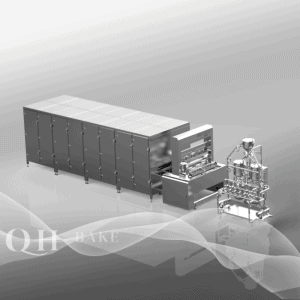
Línea de depósito automático de gomitas sin almidón 600: 240 000 gomitas/h Unidad de enfriamiento de 10-20 pH 520 piezas de molde doble dentro de la máquina
-
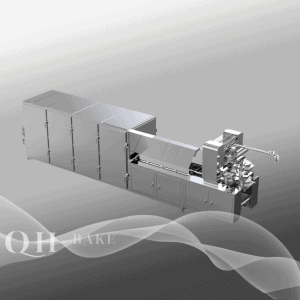
Línea de producción automática de gomitas 80: 40 000 gomitas/h, 5-8PH, unidad de enfriamiento, 200 moldes dentro de la máquina
-

Línea automática de producción de galletas para Slaes - Máquina de galletas
-

Máquina automática para fabricar perlas Konjac para ventas - Proveedor y fabricante
-

Línea de producción automática de piruletas para la venta - Fábrica de máquinas de dulces
-

Línea de producción automática de deposición sin almidón: revolucionando la fabricación de dulces
-

Biscuit Plant Machinery
-
Línea de producción de galletas

 Español de México
  English
  Français
  Deutsch
  日本語
日本語  한국어
한국어  Italiano
  Português do Brasil
  Dansk
Dansk  Svenska
  Nederlands
  Русский