

Last Updated on 05/23/2024 by qhbake
In the world of cannabis edibles, dank gummies have quickly risen to popularity for their potency, taste, and convenience. But have you ever wondered how these tasty treats are made? The manufacturing process behind dank gummies is a fascinating blend of culinary art and precise science, taking place in state-of-the-art factories equipped with advanced technology.
From selecting the finest ingredients to carefully infusing the right amount of cannabinoids, each step is meticulously controlled to ensure consistency and quality.
I denne blog tager vi dig med på en rundvisning bag kulisserne i fabriksprocessen, der bringer disse eftertragtede gummier fra koncept til konfekt, og afslører de indviklede trin, der er involveret i at skabe den perfekte klamme gummi.
Whether you’re a curious consumer or an aspiring edibles entrepreneur, this detailed overview will provide valuable insights into the production of one of the cannabis industry’s most beloved products.
What are the key ingredients used in the production of dank gummies?
The key ingredients used in the production of dank gummies include:
- Gelatine: Gelatine is a key ingredient that gives gummies their chewy texture. It is derived from animal collagen and helps to create the gummy consistency.
- Sukker: Sugar is used to sweeten the gummies and give them their characteristic sweet taste.
- Vand: Water is used to dissolve the gelatin and sugar and create the gummy mixture.
- Corn Syrup or Glucose Syrup: Corn syrup or glucose syrup is added to the mixture to prevent crystallization of the sugar and help create a smooth texture.
- Cannabis Extract: Cannabis extract, typically in the form of oil or distillate, is added to the gummy mixture to infuse the gummies with cannabinoids, such as THC or CBD.
- Smagsstoffer: Flavorings, such as fruit extracts or artificial flavors, are added to give the gummies their desired taste.
- Farvelægninger: Food colorings are added to give the gummies their vibrant colors. These can be natural or artificial.
- Citric Acid: Citric acid is sometimes added to the mixture to give the gummies a tart flavor and act as a preservative.
- Other Ingredients: Depending on the recipe, other ingredients such as pectin, honey, or fruit juice may be added to enhance the flavor or texture of the gummies.
Overall, these ingredients are carefully selected and combined in precise proportions to create dank gummies with the desired taste, texture, and potency.
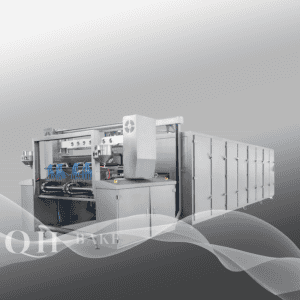
Check The CBD gummy production line from our site.
How are cannabinoids infused into the gummy mixture?
Cannabinoids are infused into the gummy mixture during the production process using several techniques. One common method is to mix cannabis extract, typically in the form of oil or distillate, into the gummy mixture after it has been heated and liquefied. The cannabis extract is evenly distributed throughout the mixture to ensure that each gummy contains a consistent amount of cannabinoids.
Another method is to coat the gummies with a cannabis-infused sugar or powder after they have been molded. This allows for more precise control over the dosage of cannabinoids in each gummy.
Some manufacturers may also use emulsification techniques to create a water-compatible form of cannabis extract that can be easily mixed into the gummy mixture. This helps to ensure that the cannabinoids are evenly distributed throughout the gummies.
Overall, the method used to infuse cannabinoids into gummy candies can vary depending on the manufacturer’s preferences and the desired characteristics of the final product. However, in all cases, care is taken to ensure that the cannabinoids are evenly distributed throughout the gummies to provide a consistent and effective dosage.
What steps are involved in mixing and cooking the gummy base?
The mixing and cooking of the gummy base are crucial steps in the production of dank gummies, as they determine the texture, flavor, and consistency of the final product. Here is an overview of the steps involved in mixing and cooking the gummy base:
- Preparation of Ingredients: The ingredients for the gummy base, including gelatin, sugar, water, and any other desired ingredients such as corn syrup or flavorings, are gathered and measured according to the recipe.
- Blanding: The gelatin and water are mixed together in a large mixing tank. The mixture is then heated and stirred until the gelatin is fully dissolved.
- Adding Sugar: Once the gelatin is dissolved, sugar is added to the mixture. The mixture is stirred continuously to ensure that the sugar is fully dissolved and evenly distributed.
- Madlavning: The mixture is heated to a specific temperature, typically around 240°F (115°C), and cooked for a certain amount of time. This step is crucial for activating the gelatin and creating the gummy texture.
- Adding Flavorings and Colorings: Once the mixture has reached the desired temperature, flavorings and colorings are added. These ingredients are carefully selected to ensure that the gummy base has the desired taste and appearance.
- Mixing and Cooling: After the flavorings and colorings are added, the mixture is stirred continuously as it cools. This helps to prevent the mixture from setting too quickly and ensures that the flavorings and colorings are evenly distributed.
- Pouring into Molds: Once the mixture has cooled slightly, it is poured into molds. The molds are then cooled further to allow the gummy base to set and take on the desired shape.
- Afformning: Once the gummy base has set, it is removed from the molds. This can be done manually or using automated equipment, depending on the scale of production.
- Tørring: The gummy base is then dried to remove excess moisture. This helps to improve the texture of the gummy and prevent it from sticking together.
- Emballage: Once the gummy base is dried, it is packaged into bags, boxes, or other containers. The packaging is designed to protect the gummy and keep it fresh until it reaches the consumer.
Overall, the mixing and cooking of the gummy base are complex processes that require precision and attention to detail to ensure that the final product meets the desired standards for taste, texture, and consistency.
How are molds and shapes chosen and used in the production process?
The selection and use of molds and shapes in the production of dank gummies play a significant role in the final appearance and appeal of the product. Here’s how molds and shapes are chosen and used in the production process:
-
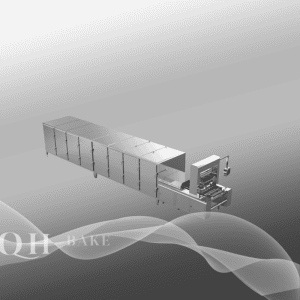
150 automatisk stivelsesfri vingummiaflejringslinje: 60.000 vingummier/t 280 stk. form inde i maskinen 8-10PH køleenhed
-
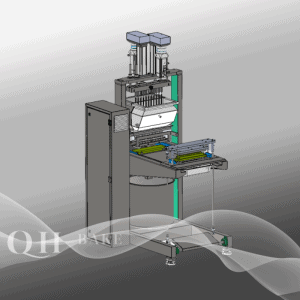
20S Servo-Form slik deponering Udstyr: Kavitet PCS: ±20; 100x80x160 Størrelse (cm)
-

300 automatisk stivelsesfri vingummiaflejringslinje 120.000 vingummier/t 8-10PH Køleenhed 280 stk. dobbeltformet indvendig maskine
-

50S Servo Control Candy Depositor: Servo; Kavitets-PCS: ±20; 200x100x170 Størrelse (cm)
- Mold Selection: Molds for gummies come in a variety of shapes, sizes, and designs. The choice of mold depends on the desired shape and size of the gummies. Common shapes include bears, worms, fruits, and other fun shapes. Manufacturers may also use custom molds to create unique shapes and designs.
- Materiale: Molds are typically made from food-grade silicone or starch molds. Silicone molds are flexible, durable, and easy to clean, making them ideal for gummy production. Starch molds are used for larger-scale production and are often disposable.
- Preparation: Before use, molds are cleaned and sanitized to ensure they are free from contaminants. They may also be sprayed or coated with a non-stick agent to facilitate easy removal of the gummies.
- Molding Process: The gummy base is poured into the molds using a specialized filling machine or equipment. Care is taken to ensure that the molds are filled evenly to create uniform gummies.
- Køling og indstilling: After filling, the molds are cooled to allow the gummy base to set. This process can take anywhere from a few minutes to several hours, depending on the size and shape of the gummies.
- Afformning: Once the gummies have set, they are removed from the molds. This can be done manually or using automated demolding equipment, depending on the production volume.
- Inspection: The molded gummies are inspected for quality, including shape, size, and consistency. Any gummies that do not meet the quality standards are removed from the CBD gummy production line.
- Emballage: After inspection, the gummies are packaged into bags, boxes, or other containers for distribution and sale.
Overall, the selection and use of molds and shapes in gummy production are essential for creating visually appealing and consistent products. Manufacturers carefully consider factors such as shape, size, and design to create gummies that are not only delicious but also attractive to consumers.
What methods are used to cool and set the gummies to achieve the desired texture?
Cooling and setting the gummies is a critical step in the production process to achieve the desired texture. Several methods are used to cool and set the gummies:
- Room Temperature Cooling: After pouring the gummy mixture into the molds, the molds are left at room temperature to cool and set. This method is suitable for small-scale production but may take longer for the gummies to fully set.
- Refrigeration: Gummy molds can be placed in a refrigerator or cold room to speed up the cooling and setting process. The lower temperature helps the gelatin in the gummies to set faster, reducing production time.
- Freezing: Some manufacturers use freezing to quickly cool and set the gummies. This method is more suitable for gummies with higher water content, as freezing can cause the water to crystallize and affect the texture.
- Køletunneller: In large-scale production, cooling tunnels are used to cool and set the gummies quickly and uniformly. Gummy molds are passed through the cooling tunnel on a conveyor belt, and cold air is blown over the molds to lower their temperature.
- Gelatin Blooming: Before pouring the gummy mixture into the molds, some manufacturers allow the gelatin to bloom in water. Blooming involves soaking the gelatin in water to hydrate it, which helps the gelatin to set more effectively when the gummy mixture is cooked and cooled.
- Refrigerated Cabinets: After the gummies have been demolded, they may be placed in refrigerated cabinets to further cool and set. This helps to stabilize the gummies and prevent them from sticking together.
Overall, the method used to cool and set the gummies depends on the scale of production, the desired texture of the gummies, and the equipment available. By carefully controlling the cooling and setting process, manufacturers can ensure that the gummies have the right texture and consistency.

How are flavors and colors added to dank gummies during manufacturing?
Flavors and colors are key components in creating the appeal of dank gummies. Here’s how they’re typically added during manufacturing:
- Smag: Flavors are added to the gummy mixture during the cooking process. Liquid or powdered flavorings are mixed into the mixture after the gelatin has dissolved and before the mixture is poured into molds. The flavors are carefully measured to ensure that the gummies have the desired taste.
- Farver: Colors are added to the gummy mixture to give the gummies their vibrant appearance. Food-grade colorings, either natural or artificial, are added to the mixture after the flavors have been added. The colors are mixed into the mixture to ensure even distribution.
- Uniformity: To achieve uniformity in flavor and color, manufacturers use precise measurements and mixing techniques. Specialized equipment, such as mixers and pumps, may be used to ensure that the flavors and colors are evenly distributed throughout the mixture.
- Quality Control: Throughout the manufacturing process, quality control checks are conducted to ensure that the flavors and colors meet the company’s standards. Samples of the gummy mixture are tested to ensure that the flavors are balanced and the colors are vibrant.
- Customization: Manufacturers may offer a variety of flavors and colors to cater to different preferences. They may also offer customization options, allowing customers to choose their preferred flavors and colors for their gummies.
Overall, the addition of flavors and colors is a carefully controlled process that requires precision and attention to detail to ensure that the gummies have the desired taste and appearance.
What quality assurance measures are in place to ensure the potency and consistency of each batch?
Quality assurance measures are crucial in ensuring the potency and consistency of dank gummies. Here are some key measures typically implemented:
- Testing of Raw Materials: Before production begins, raw materials such as cannabis extract, gelatin, and flavorings are tested to ensure they meet quality and potency standards.
- In-Process Testing: During production, samples of the gummy mixture are taken and tested for potency and consistency. This helps ensure that each batch meets the desired specifications.
- Finished Product Testing: Once the gummies are fully processed and packaged, samples are taken from each batch and tested to verify potency and consistency. This final testing ensures that the gummies meet the company’s standards before they are released for sale.
- Quality Control Checks: Throughout the production process, quality control checks are conducted to monitor the consistency of the gummies. This includes checking the texture, color, and flavor of the gummies to ensure they meet the company’s standards.
- Standard Operating Procedures: Manufacturers follow strict standard operating procedures (SOPs) to ensure that each step of the production process is carried out correctly. This helps maintain consistency and quality in each batch of gummies.
- Traceability: Manufacturers maintain detailed records of each batch of gummies, including the raw materials used, production process, and testing results. This allows them to trace any issues back to the source and take corrective action.
- Regulatory Compliance: Manufacturers adhere to regulatory requirements for cannabis products, including testing for potency and consistency. This ensures that the gummies meet legal standards for sale and distribution.
Overall, these quality assurance measures help ensure that dank gummies are potent, consistent, and safe for consumers. They are an essential part of the manufacturing process and help maintain the integrity of the product.
How are dank gummies packaged and labeled for retail sale?

What regulatory standards and safety protocols must be followed in the production of dank gummies?
In the production of dank gummies, manufacturers must adhere to regulatory standards and safety protocols to ensure the quality, safety, and legality of their products. Some key regulatory standards and safety protocols include:
- Good Manufacturing Practices (GMP): GMP regulations ensure that products are consistently produced and controlled according to quality standards. This includes cleanliness, equipment verification, process validation, and employee training.
- Food Safety Regulations: Dank gummies are considered food products, so manufacturers must comply with food safety regulations. This includes ensuring that ingredients are safe for consumption, proper hygiene practices are followed, and the product is labeled correctly.
- Cannabis Regulations: In regions where cannabis is legal, manufacturers must comply with regulations specific to cannabis products. This includes testing requirements for potency and contaminants, as well as labeling requirements for cannabis-infused products.
- Health and Safety Regulations: Manufacturers must also comply with health and safety regulations to ensure the safety of their workers and consumers. This includes providing a safe working environment, proper training for employees, and implementing safety protocols for handling ingredients and equipment.
- Product Testing: Dank gummies must undergo testing to ensure they meet regulatory standards for potency, contaminants, and quality. This testing is typically done by third-party laboratories and must comply with regulatory requirements.
- Labeling Requirements: Dank gummies must be labeled correctly to provide consumers with important information such as ingredients, cannabinoid content, dosage instructions, and expiration date. Labels must also comply with regulatory requirements for cannabis products.
- Packaging Requirements: Packaging for dank gummies must be child-resistant and comply with regulatory requirements for cannabis products. This helps prevent accidental ingestion by children and ensures the product remains secure during transportation and storage.
Overall, manufacturers of dank gummies must adhere to a complex set of regulatory standards and safety protocols to ensure that their products are safe, legal, and of high quality. Failure to comply with these standards can result in fines, legal action, and damage to the company’s reputation.

Gummy bear maskine
What recent innovations have been made in gummy manufacturing technology to improve efficiency and product quality?
In recent years, there have been several innovations in gummy manufacturing technology aimed at improving efficiency and product quality. Some of these innovations include:
-
150 automatisk stivelsesfri vingummiaflejringslinje: 60.000 vingummier/t 280 stk. form inde i maskinen 8-10PH køleenhed
-
300 automatisk stivelsesfri vingummiaflejringslinje 120.000 vingummier/t 8-10PH Køleenhed 280 stk. dobbeltformet indvendig maskine
-
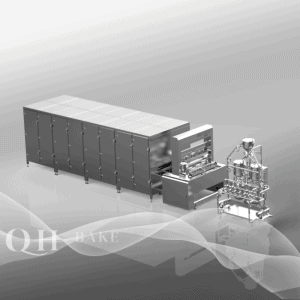
600 automatisk stivelsesfri vingummiaflejringslinje: 240.000 vingummier/t 10-20 PH Køleenhed 520 stk. dobbeltformet indvendig maskine
-
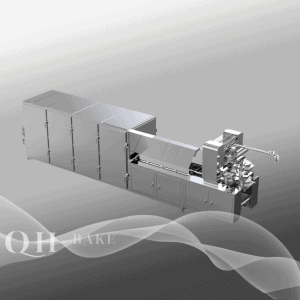
80 automatiske vingummi-slikproduktionslinjer: 40.000 vingummier/t 5-8PH køleenhed 200 stk. form inde i maskinen
- Automated Production Systems: Automated systems have been developed to streamline the production process, from mixing and cooking the gummy base to molding and packaging the finished product. These systems reduce the need for manual labor and increase production speed and consistency.
- Precision Dosing Systems: Precision dosing systems have been developed to ensure accurate dosing of cannabinoids and other ingredients. These systems use advanced technology to measure and dispense precise amounts of ingredients, resulting in more consistent and potent gummies.
- Improved Mixing and Cooking Equipment: New mixing and cooking equipment have been developed to improve the quality and consistency of the gummy base. These equipment use advanced heating and mixing technologies to ensure thorough and even cooking of the gummy mixture.
- Enhanced Molding Technology: Molding technology has been improved to create more intricate and detailed gummy shapes. Advanced molds allow manufacturers to create gummies in a variety of shapes and sizes, increasing the appeal of the product to consumers.
- Quality Control Systems: Advanced quality control systems have been developed to monitor the production process and ensure that each batch of gummies meets quality standards. These systems use sensors and data analysis to detect any abnormalities in the production process and make real-time adjustments to ensure product quality.
- Improved Packaging Technology: Packaging technology has been improved to ensure the freshness and safety of gummies. Child-resistant packaging, tamper-evident seals, and oxygen barrier packaging are some of the innovations that have been introduced to improve the shelf life and safety of gummies.
Overall, these innovations in gummy manufacturing technology have helped improve efficiency, consistency, and product quality, making dank gummies more appealing to consumers.
-
150 automatisk stivelsesfri vingummiaflejringslinje: 60.000 vingummier/t 280 stk. form inde i maskinen 8-10PH køleenhed
-
20S Servo-Form slik deponering Udstyr: Kavitet PCS: ±20; 100x80x160 Størrelse (cm)
-
300 automatisk stivelsesfri vingummiaflejringslinje 120.000 vingummier/t 8-10PH Køleenhed 280 stk. dobbeltformet indvendig maskine
-
50S Servo Control Candy Depositor: Servo; Kavitets-PCS: ±20; 200x100x170 Størrelse (cm)
-
600 automatisk stivelsesfri vingummiaflejringslinje: 240.000 vingummier/t 10-20 PH Køleenhed 520 stk. dobbeltformet indvendig maskine
-
80 automatiske vingummi-slikproduktionslinjer: 40.000 vingummier/t 5-8PH køleenhed 200 stk. form inde i maskinen
-

Automatisk cookie produktionslinje For Slaes – Cookie Machine
-

Automatisk konjac-perlefremstillingsmaskine til salg – leverandør og fremstilling
-

Automatisk Lollipop-produktionslinje til salg – Candy Machine Factory
-

Automatisk stivelsesfri deponeringsproduktionslinje: Revolutionerende slikfremstilling
-

Biscuit Plant Machinery
-
Kiks produktionslinje

 Dansk
Dansk  English
  Español de México
  Français
  Deutsch
  日本語
日本語  한국어
한국어  Italiano
  Português do Brasil
  Svenska
  Nederlands
  Русский