

Dernière mise à jour le 06/03/2024 par QHBAKE
As the world becomes increasingly health-conscious, immunity gummies have risen in popularity as a delicious and convenient way to support the immune system. Packed with vitamins, minerals, and antioxidants, these gummies offer a sweet solution to staying healthy.
Dans cet article, nous examinerons de plus près comment les bonbons d'immunité sont fabriqués dans une usine, de la sélection des ingrédients à l'emballage final.
Ingredients for Immunity Gummies
Immunity gummies are formulated with a blend of immune-boosting ingredients that are carefully chosen for their nutritional benefits:
- Vitamine C: Supports immune system function and promotes skin health.
- Zinc: Plays a crucial role in immune response and cell growth.
- Elderberry: Rich in antioxidants and known for its flu-fighting properties.
- Echinacea: Traditionally used to boost the immune system and fight infections.
- Vitamin D: Enhances the immune system and aids in calcium absorption.
- Natural Flavors: To ensure a pleasant taste.
- Édulcorants: Natural sweeteners like honey or stevia to add sweetness.
- Gelling Agents: Such as gelatin or pectin for the gummy texture.

The Immunity Gummy Manufacturing Process
Étape 1 : Préparation des ingrédients
The process starts with the precise measurement and preparation of ingredients. High-quality immune-boosting supplements are blended with natural flavors and sweeteners.
Étape 2 : Mélange
In large-scale mixers, the ingredients are combined thoroughly to ensure an even distribution of nutrients throughout the gummy mixture.
Étape 3 : La cuisson
The mixture is heated in controlled conditions to activate the gelling agents, which will give the gummies their characteristic texture.
Stage 4: Depositing and Molding
The heated mixture is then deposited into molds that have been shaped to create the desired form of the gummies, often in fun and appealing shapes.
Étape 5 : Refroidissement et prise
The gummies are cooled in cooling tunnels to set their shape and texture. This step is essential for achieving the right consistency and chewiness.
Stage 6: Drying
After cooling, the gummies are dried to remove any excess moisture, which helps to maintain their quality and extend their shelf life.
Étape 7 : Contrôle qualité
Each batch of immunity gummies undergoes a rigorous quality inspection to ensure they meet the highest standards of taste, texture, and nutritional content.
Étape 8 : Emballage
The final product is packaged in a manner that preserves the gummies’ freshness and appeal. The packaging often includes information about the immune-boosting properties of the gummies.

Machines et équipements utilisés
- Weighing Scales: For accurate ingredient measurement.
- Récipients de mélange: To blend ingredients uniformly.
- bouilloires de cuisine: To heat the mixture and activate gelling agents.
- Depositors and Molds: For shaping the gummies.
- Cooling Tunnels: To set the gummies’ texture.
- Drying Systems: To remove excess moisture.
- Quality Inspection Machines: To check product quality.
- Packaging Lines: For wrapping and boxing the final product.

Conclusion
The manufacturing of immunity gummies is a precise and scientific process that combines the best of nature’s nutrients with the art of confectionery. These gummies are not just a tasty treat but also a source of essential vitamins and minerals that can help support a healthy immune system.
Appel à l'action
Interested in incorporating immunity gummies into your wellness routine? Explore our range of products designed to boost your immune health. Manufacturers looking to create their own immunity gummies can rely on QHBake for the machinery and expertise needed to produce effective and enjoyable gummies.
-
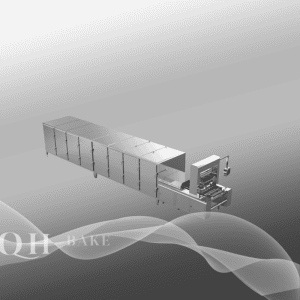
Ligne de dépôt automatique de bonbons gélifiés sans amidon 150 : 60 000 bonbons gélifiés/h 280 pièces de moule à l'intérieur de la machine Unité de refroidissement 8-10PH
-
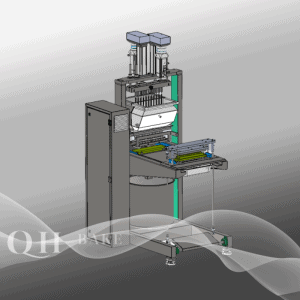
Équipement de dépôt de bonbons Servo-Form 20S : Cavité PCS : ±20 ; 100x80x160 Taille (cm)
-
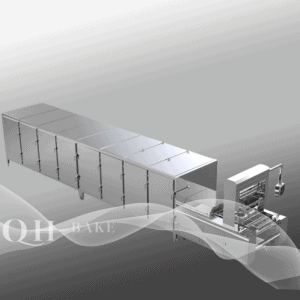
Ligne de dépôt automatique de bonbons gélifiés sans amidon 300 120 000 bonbons gélifiés/h 8-10PH Unité de refroidissement 280 pièces de double moule à l'intérieur de la machine
-
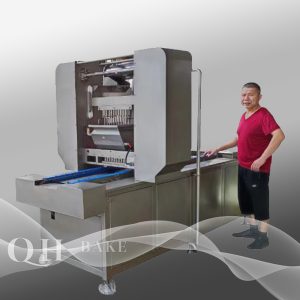
Distributeur de bonbons à servocommande 50S : servocommande ; nombre de cavités : ± 20 ; dimensions : 200 x 100 x 170 cm
-
Ligne de dépôt automatique de bonbons gélifiés sans amidon 150 : 60 000 bonbons gélifiés/h 280 pièces de moule à l'intérieur de la machine Unité de refroidissement 8-10PH
-
Équipement de dépôt de bonbons Servo-Form 20S : Cavité PCS : ±20 ; 100x80x160 Taille (cm)
-
Ligne de dépôt automatique de bonbons gélifiés sans amidon 300 120 000 bonbons gélifiés/h 8-10PH Unité de refroidissement 280 pièces de double moule à l'intérieur de la machine
-
Distributeur de bonbons à servocommande 50S : servocommande ; nombre de cavités : ± 20 ; dimensions : 200 x 100 x 170 cm
-
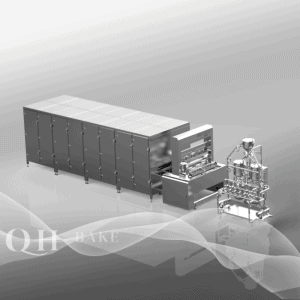
Ligne de dépôt automatique de bonbons gélifiés sans amidon 600 : 240 000 bonbons gélifiés/h 10-20 PH Unité de refroidissement 520 pièces de double moule à l'intérieur de la machine
-
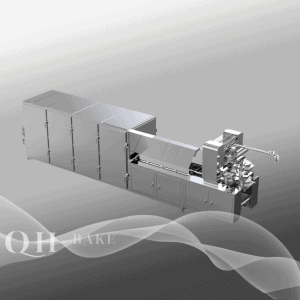
Ligne de production automatique de bonbons gélifiés : 40 000 bonbons gélifiés/h, unité de refroidissement 5-8 PH, 200 pièces de moule à l'intérieur de la machine
-

Ligne de production automatique de biscuits pour Slaes - Cookie Machine
-

Machine automatique de fabrication de perles de Konjac pour les ventes - Fournisseur et fabrication
-

Ligne de production automatique de sucettes à vendre - Candy Machine Factory
-

Ligne de production automatique de dépôt sans amidon : révolutionner la fabrication de bonbons
-

Biscuit Plant Machinery
-
Ligne de production de biscuits

 Français
  English
  Español de México
  Deutsch
  日本語
日本語  한국어
한국어  Italiano
  Português do Brasil
  Dansk
Dansk  Svenska
  Nederlands
  Русский