

Dernière mise à jour le 27/05/2024 par QHBAKE
Vegan gummies have become a popular choice for health-conscious consumers seeking a cruelty-free alternative to traditional gelatin-based gummies.
Ces délicieuses friandises sont non seulement exemptes d'ingrédients d'origine animale, mais sont également formulées pour offrir une variété de bienfaits pour la santé. Explorons le processus de fabrication des gummies végétaliens dans une usine, de la sélection des ingrédients à l'emballage.
1. Ingredient Selection:
The foundation of vegan gummies lies in the choice of gelling agents. Common alternatives to gelatin include pectin, agar-agar, and carrageenan 106112. These plant-based substances are capable of providing the desired texture and stability to the gummies. Other ingredients such as natural sweeteners, fruit juices, and flavorings are also selected to ensure a tasty and healthy final product.
2. Preparation of the Gelling Solution:
The process begins with the preparation of the gelling solution. Pectin, for instance, is combined with sugar or dextrose and water to create a pre-solution. This mixture is then heated and held under agitation to solubilize and activate the pectin 106.
3. Incorporation of Bioactive Ingredients:
Vegan gummies often serve as a vehicle for vitamins, minerals, and other nutritional supplements. These bioactive ingredients are carefully measured and added to the gelling solution to ensure even distribution and stability 109.
4. Acidic Adjustment:
For pectin-based gummies, the pH level is a critical factor. Acidic ingredients are added as close to the depositing process as possible to maintain the desired gummy texture, which is different from gelatin or carrageenan gels that form upon heating 106.
5. Heating and Cooling:
The gelling solution is heated to a specific temperature to activate the gelling process. Once the solution reaches the desired consistency, it is cooled to initiate the setting of the gummies 108.

machine à gommes en vente
6. Filling the Molds:
The gummy mixture is then poured into molds that have been pre-coated with a release agent. These molds can be customized to create various shapes and sizes, adding to the appeal of the final product.
7. Setting and Solidification:
The filled molds are left to cool and set, allowing the gummies to solidify. This process can take a short period, during which the gummies acquire their characteristic texture 108.
8. Demolding and Quality Control:
Once the gummies have set, they are carefully removed from the molds. Each batch undergoes a thorough quality control check to ensure they meet the required standards for size, shape, texture, and appearance.
9. Dusting and Coating (if applicable):
Similar to traditional gummies, vegan gummies may be dusted with a fine powder such as maltodextrin or cornstarch to prevent sticking. Some products may also receive a sugar or film coating for aesthetic purposes or to enhance texture.
10. Emballage :
The gummies are then packaged into their final containers, which are labeled with detailed information about the product, including nutritional facts, ingredients, and usage instructions.
11. Storage and Distribution:
Finally, the packaged gummies are stored in a cool, dry place until they are shipped to distributors or retailers, reaching consumers who appreciate the benefits of a vegan dietary supplement.
-
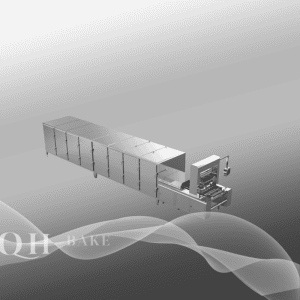
Ligne de dépôt automatique de bonbons gélifiés sans amidon 150 : 60 000 bonbons gélifiés/h 280 pièces de moule à l'intérieur de la machine Unité de refroidissement 8-10PH
-
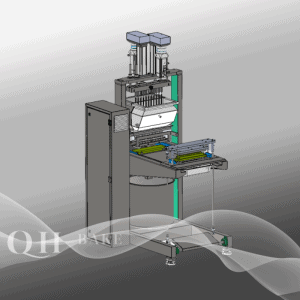
Équipement de dépôt de bonbons Servo-Form 20S : Cavité PCS : ±20 ; 100x80x160 Taille (cm)
-

Ligne de dépôt automatique de bonbons gélifiés sans amidon 300 120 000 bonbons gélifiés/h 8-10PH Unité de refroidissement 280 pièces de double moule à l'intérieur de la machine
-

Distributeur de bonbons à servocommande 50S : servocommande ; nombre de cavités : ± 20 ; dimensions : 200 x 100 x 170 cm
Conclusion:
Les manufacturing of vegan gummies is a careful balance of science and craftsmanship. From the selection of plant-based ingredients to the precise control of processing conditions, each step is vital to creating a final product that is both nutritious and enjoyable. As the demand for vegan products continues to rise, the innovation in vegan gummy manufacturing is set to evolve, offering consumers an even wider array of healthy and delicious options.
Note de l'auteur : This article provides an overview of a typical manufacturing process for vegan gummies. Actual methods may vary by manufacturer, and it’s essential to choose products from reputable companies that adhere to good manufacturing practices (GMP) and comply with relevant health and safety regulations.
-
Ligne de dépôt automatique de bonbons gélifiés sans amidon 150 : 60 000 bonbons gélifiés/h 280 pièces de moule à l'intérieur de la machine Unité de refroidissement 8-10PH
-
Équipement de dépôt de bonbons Servo-Form 20S : Cavité PCS : ±20 ; 100x80x160 Taille (cm)
-
Ligne de dépôt automatique de bonbons gélifiés sans amidon 300 120 000 bonbons gélifiés/h 8-10PH Unité de refroidissement 280 pièces de double moule à l'intérieur de la machine
-
Distributeur de bonbons à servocommande 50S : servocommande ; nombre de cavités : ± 20 ; dimensions : 200 x 100 x 170 cm
-
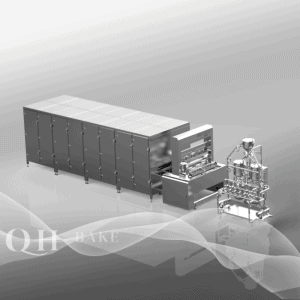
Ligne de dépôt automatique de bonbons gélifiés sans amidon 600 : 240 000 bonbons gélifiés/h 10-20 PH Unité de refroidissement 520 pièces de double moule à l'intérieur de la machine
-
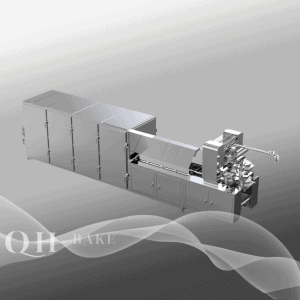
Ligne de production automatique de bonbons gélifiés : 40 000 bonbons gélifiés/h, unité de refroidissement 5-8 PH, 200 pièces de moule à l'intérieur de la machine
-

Ligne de production automatique de biscuits pour Slaes - Cookie Machine
-

Machine automatique de fabrication de perles de Konjac pour les ventes - Fournisseur et fabrication
-

Ligne de production automatique de sucettes à vendre - Candy Machine Factory
-

Ligne de production automatique de dépôt sans amidon : révolutionner la fabrication de bonbons
-

Biscuit Plant Machinery
-
Ligne de production de biscuits


 Français
  English
  Español de México
  Deutsch
  日本語
日本語  한국어
한국어  Italiano
  Português do Brasil
  Dansk
Dansk  Svenska
  Nederlands
  Русский