

Dernière mise à jour le 10/06/2024 par QHBAKE
Hello, gummy gurus and candy connoisseurs! If you’ve ever found yourself mesmerized by the colorful dance of gummy bears in a candy store, you’ve witnessed the end result of a well-orchestrated process.
But behind the scenes, there’s a powerhouse at work—the commercial gummy making machine. These machines are the unsung heroes of the gummy world, quietly humming away as they churn out our favorite chewy treats.
But what are the energy consumption levels of these candy creators? Let’s dig into the details and find out.
Understanding Energy Consumption
First things first, let’s talk about what energy consumption means for a commercial gummy making machine. Energy consumption refers to the amount of power a machine uses to perform its tasks.

In the case of gummy making machines, this involves heating ingredients, mixing, and the mechanical processes of shaping and cooling the gummies. It’s like the gummy machine’s appetite—how much energy it needs to keep going.
Factors Affecting Energy Consumption
Now, picture this gummy machine as a contestant on a candy-themed game show. The energy consumption level depends on several factors:
- Taille et modèle de la machine: Bigger machines, like the heavyweight champions of the gummy world, consume more energy than their smaller counterparts.
- Production Volume: The more gummies a machine is tasked to produce, the more energy it will use.
- Efficiency of Components: Like a well-oiled (or should we say, well-lubricated?) candy-making machine, efficient components mean less energy wasted.
- Age of the Machine: Older machines might be nostalgic, but they can also be energy hogs compared to newer, more energy-efficient models.
Energy Efficiency and Technology
When it comes to energy efficiency, the gummy making industry has been on a sweet journey. Modern commercial machines are designed with energy efficiency in mind, incorporating advanced technologies that minimize power usage. This is like upgrading from a gummy machine on a unicycle to one on a hyper-efficient unicycle—still fun, but way more environmentally friendly.

Données statistiques
According to the U.S. Department of Energy, energy-efficient industrial equipment can reduce energy consumption by 20-40%. Imagine the environmental impact if all gummy machines made the switch!
Energy Consumption Levels
Now, let’s talk numbers. The energy consumption of a commercial gummy making machine can vary widely based on the factors mentioned above. A small to medium-sized machine might consume anywhere from 1 to 5 kilowatts per hour, while larger, high-volume machines could consume 10 kilowatts per hour or more. To put this in perspective, consider that a standard incandescent light bulb uses about 60 watts per hour. So, our gummy machine is like having 16 to over 160 light bulbs glowing continuously.

The Cost of Energy
Energy isn’t just about the environment; it’s also about the bottom line. The cost of running a commercial gummy making machine can add up, especially for larger operations. By investing in energy-efficient machines and optimizing production schedules, gummy manufacturers can save on energy costs, making their operations not only greener but also more profitable.
Conclusion
In the land of gummies, energy consumption is a crucial factor for both the environment and the economics of gummy production. By understanding the factors that influence energy usage and investing in energy-efficient technology, gummy manufacturers can ensure that their operations are as sweet and sustainable as the treats they produce. So, the next time you enjoy a gummy bear, remember the power behind the machine that made it possible.
-
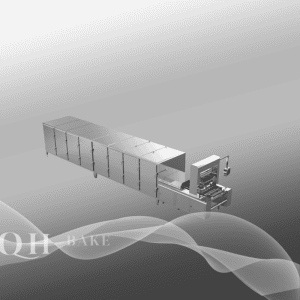
Ligne de dépôt automatique de bonbons gélifiés sans amidon 150 : 60 000 bonbons gélifiés/h 280 pièces de moule à l'intérieur de la machine Unité de refroidissement 8-10PH
-
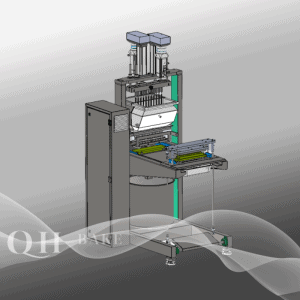
Équipement de dépôt de bonbons Servo-Form 20S : Cavité PCS : ±20 ; 100x80x160 Taille (cm)
-
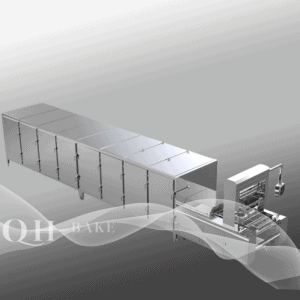
Ligne de dépôt automatique de bonbons gélifiés sans amidon 300 120 000 bonbons gélifiés/h 8-10PH Unité de refroidissement 280 pièces de double moule à l'intérieur de la machine
-
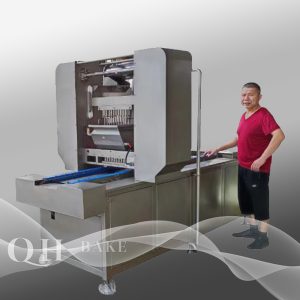
Distributeur de bonbons à servocommande 50S : servocommande ; nombre de cavités : ± 20 ; dimensions : 200 x 100 x 170 cm

Appel à l'action
Are you ready to make your gummy production more energy-efficient? Stay tuned for our upcoming articles and resources on sustainable gummy making practices. And as you plan your gummy empire, remember that every watt counts.
-
Ligne de dépôt automatique de bonbons gélifiés sans amidon 150 : 60 000 bonbons gélifiés/h 280 pièces de moule à l'intérieur de la machine Unité de refroidissement 8-10PH
-
Équipement de dépôt de bonbons Servo-Form 20S : Cavité PCS : ±20 ; 100x80x160 Taille (cm)
-
Ligne de dépôt automatique de bonbons gélifiés sans amidon 300 120 000 bonbons gélifiés/h 8-10PH Unité de refroidissement 280 pièces de double moule à l'intérieur de la machine
-
Distributeur de bonbons à servocommande 50S : servocommande ; nombre de cavités : ± 20 ; dimensions : 200 x 100 x 170 cm
-
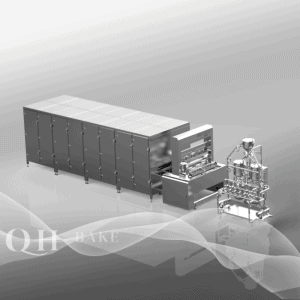
Ligne de dépôt automatique de bonbons gélifiés sans amidon 600 : 240 000 bonbons gélifiés/h 10-20 PH Unité de refroidissement 520 pièces de double moule à l'intérieur de la machine
-
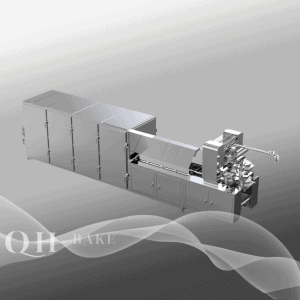
Ligne de production automatique de bonbons gélifiés : 40 000 bonbons gélifiés/h, unité de refroidissement 5-8 PH, 200 pièces de moule à l'intérieur de la machine
-

Ligne de production automatique de biscuits pour Slaes - Cookie Machine
-

Machine automatique de fabrication de perles de Konjac pour les ventes - Fournisseur et fabrication
-

Ligne de production automatique de sucettes à vendre - Candy Machine Factory
-

Ligne de production automatique de dépôt sans amidon : révolutionner la fabrication de bonbons
-

Biscuit Plant Machinery
-
Ligne de production de biscuits

 Français
  English
  Español de México
  Deutsch
  日本語
日本語  한국어
한국어  Italiano
  Português do Brasil
  Dansk
Dansk  Svenska
  Nederlands
  Русский