

最終更新日:2024年5月23日 qhbake
Gummy jelly candies are a beloved treat enjoyed by people of all ages around the world. Have you ever wondered how these delightful candies are made in a factory setting? The process of creating gummy jelly is a fascinating blend of art and science, involving precise measurements, specialized equipment, and careful attention to detail.
グミゼリー工場の中核を訪ねる旅にご参加ください。噛みごたえのある風味豊かなお菓子の誕生の秘密を解き明かします。材料の選択から最終パッケージングまで、製造工程のあらゆるステップを探求し、グミゼリーキャンディーがどのようにして誕生するのかを舞台裏でご紹介します。
So, grab a seat and get ready to satisfy your curiosity about one of the world’s favorite sweet treats.
What are the main ingredients used in making gummy jelly in a factory?
The main ingredients used in making gummy jelly in a factory typically include:
- ゼラチン: This is the key ingredient that gives gummy jelly its chewy texture. Gelatin is derived from collagen, which is often sourced from animal bones or skin.
- 砂糖: Sugar is used to sweeten the gummy jelly and is a major component of its flavor profile. Different types of sugar, such as sucrose or glucose syrup, may be used.
- 水: Water is used to dissolve the gelatin and sugar, forming the base of the gummy jelly mixture.
- コーンシロップまたはグルコースシロップ: These ingredients are used to sweeten the gummy jelly and provide a smooth texture. They also help prevent crystallization of the sugar.
- クエン酸: Citric acid is added to gummy jelly to provide a tart flavor and to help preserve the candy.
- 香料: Various flavorings, such as fruit extracts or artificial flavors, are added to give the gummy jelly its distinctive taste.
- ぬりえ: Food colorings are added to give the gummy jelly its vibrant colors. These can be natural or artificial.
- ペクチン: Some recipes may include pectin, a natural thickening agent, to help give the gummy jelly its gel-like consistency.
- Preservatives: Preservatives may be added to extend the shelf life of the gummy jelly and prevent microbial growth.
- 他の材料: Depending on the recipe, other ingredients such as fruit juice, honey, or milk may be added to enhance flavor or texture.
Overall, the combination of these ingredients in specific proportions and under controlled conditions is what creates the chewy, flavorful gummy jelly candies that we all love.
Can you describe the production process of gummy jelly in a factory, from start to finish?
The production process of gummy jelly in a factory typically involves several key steps, from preparing the ingredients to packaging the final product. Here’s a general overview of how gummy jelly is made in a factory:
- 材料の準備: The first step in making gummy jelly is to prepare the ingredients. This includes measuring out the gelatin, sugar, water, and other ingredients according to the recipe.
- 混合: The ingredients are then mixed together in a large kettle or mixing tank. The mixture is heated and stirred until the gelatin and sugar are completely dissolved.
- クッキング: The mixture is cooked to a specific temperature, usually around 240°F (115°C), to ensure that the gelatin is fully activated and the sugar is dissolved. This step is crucial for the texture and consistency of the gummy jelly.
- Flavoring and Coloring: Once the mixture has reached the desired temperature, flavorings and colorings are added. These ingredients are carefully selected to ensure that the gummy jelly has the right taste and appearance.
- 成形: The hot liquid gummy jelly is then poured into molds. These molds can be of various shapes and sizes, depending on the desired final product. The molds are then cooled to allow the gummy jelly to set.
- 離型: Once the gummy jelly has set, it is removed from the molds. This can be done manually or using automated equipment, depending on the scale of production.
- 乾燥: The gummy jelly is then dried to remove excess moisture. This helps to improve the texture of the gummy jelly and prevent it from sticking together.
- 包装: The dried gummy jelly is then packaged into bags, boxes, or other containers. The packaging is designed to protect the gummy jelly and keep it fresh until it reaches the consumer.
- 品質管理: Throughout the production process, quality control measures are implemented to ensure that the gummy jelly meets the company’s standards for taste, texture, and appearance.
- Storage and Distribution: Once packaged, the gummy jelly is stored in a warehouse before being distributed to retailers or wholesalers for sale to consumers.
Overall, the production process of gummy jelly in a factory is a carefully controlled and monitored process that requires precision and attention to detail to produce high-quality gummy jelly candies.
What types of equipment are used in a gummy jelly factory to produce the candy?
In a gummy jelly factory, several types of equipment are used to produce the candy. These include:
- Mixing Tanks: Large mixing tanks are used to combine the ingredients, including gelatin, sugar, water, and flavorings. These tanks are often heated to dissolve the ingredients and create the gummy jelly mixture.
- 調理用ケトル: Cooking kettles are used to cook the gummy jelly mixture to a specific temperature. This step is crucial for activating the gelatin and ensuring that the gummy jelly has the right texture and consistency.
- Molding Machines: Molding machines are used to pour the hot gummy jelly mixture into molds. These machines can be automated and are designed to create gummy jelly in various shapes and sizes.
- 冷却トンネル: After the gummy jelly has been molded, it is passed through cooling tunnels to allow it to set. These tunnels are designed to cool the gummy jelly evenly and quickly.
- Demolding Equipment: Once the gummy jelly has set, it is removed from the molds using demolding equipment. This equipment can range from simple manual tools to automated machines, depending on the scale of production.
- Drying Equipment: Drying equipment is used to remove excess moisture from the gummy jelly after it has been molded and demolded. This helps to improve the texture of the gummy jelly and prevent it from sticking together.
- Packaging Machinery: Packaging machinery is used to package the gummy jelly into bags, boxes, or other containers. This machinery can include filling machines, sealing machines, and labeling machines.
- Quality Control Equipment: Various equipment is used for quality control purposes, such as temperature gauges, moisture meters, and weight scales. These help to ensure that the gummy jelly meets the company’s standards for taste, texture, and appearance.
Overall, the equipment used in a gummy jelly factory is designed to streamline the production process and ensure that the gummy jelly is produced efficiently and consistently.
How is the texture of gummy jelly controlled during the manufacturing process?
Are there different techniques or methods used to create various shapes and colors of gummy jelly candies?
Yes, there are different techniques and methods used to create various shapes and colors of gummy jelly candies. Some common techniques include:
- 成形: Molding is the most common method used to create different shapes of gummy jelly candies. The gummy jelly mixture is poured into molds that are designed to create specific shapes, such as bears, worms, or fruit shapes. Once the gummy jelly has set, it is removed from the molds, resulting in candies with the desired shapes.
- Extrusion: Extrusion is another method used to create gummy jelly candies with specific shapes. In this process, the gummy jelly mixture is forced through a nozzle or die that shapes the candy into long ropes or strands. The extruded candy is then cut into smaller pieces to create individual candies.
- Layering: Layering is a technique used to create gummy jelly candies with multiple colors or flavors. In this process, different colored layers of gummy jelly are poured into a mold one layer at a time. Each layer is allowed to set before the next layer is added, resulting in candies with distinct layers of color and flavor.
- コーティング: Coating is a technique used to create gummy jelly candies with a shiny or textured surface. After the gummy jelly candies have been molded or extruded, they are coated in a mixture of sugar and oil to give them a glossy finish. The coating can also be flavored or colored to enhance the appearance of the candies.
- Printing: Printing is a technique used to create gummy jelly candies with intricate designs or patterns. Edible ink is used to print designs directly onto the surface of the candies, allowing for a high level of customization and personalization.
Overall, these techniques and methods allow manufacturers to create a wide variety of shapes, colors, and flavors of gummy jelly candies, making them a popular and versatile treat for consumers of all ages.
How are flavors and colors added to gummy jelly during production, and what considerations are made for quality and consistency?
What are the key steps in packaging gummy jelly candies in a factory setting?
Packaging gummy jelly candies in a factory setting involves several key steps to ensure that the candies are protected and presented in an appealing way. The packaging process typically includes the following steps:
- Selecting Packaging Materials: The first step in packaging gummy jelly candies is to select the appropriate packaging materials. This may include bags, boxes, or other containers that are suitable for food products and can protect the candies from moisture and damage.
- Filling: Once the packaging materials have been selected, the gummy jelly candies are filled into the packaging. This can be done manually or using automated filling equipment, depending on the scale of production.
- 封印: After the candies have been filled into the packaging, the packaging is sealed to ensure that the candies remain fresh and protected. This can be done using heat-sealing equipment, adhesive seals, or other sealing methods.
- ラベリング: Once the packaging has been sealed, labels are applied to the packaging. These labels may include information such as the product name, ingredients, nutritional information, and expiration date.
- 品質管理: Throughout the packaging process, quality control checks are conducted to ensure that the packaging is intact and the candies are properly sealed. This helps to prevent contamination and ensure the quality of the final product.
- Packaging Inspection: After the packaging process is complete, the packaged gummy jelly candies are inspected to ensure that they meet the company’s standards for appearance and quality. Any candies that do not meet these standards are removed from the production line.
- Palletizing and Shipping: Once the gummy jelly candies have been packaged and inspected, they are palletized and prepared for shipping. The packaged candies are stacked on pallets and wrapped in plastic film to secure them for transportation to retailers or distributors.
Overall, the packaging process for gummy jelly candies in a factory setting is a carefully controlled process that involves several key steps to ensure that the candies are protected and presented in an appealing way to consumers.
How is quality control maintained throughout the production process to ensure the safety and consistency of gummy jelly candies?

Are there any specific regulations or standards that gummy jelly manufacturers must adhere to in terms of ingredients, production, or labeling?
Yes, gummy jelly manufacturers must adhere to specific regulations and standards in terms of ingredients, production, and labeling to ensure the safety and quality of their products. Some of the key regulations and standards that apply to gummy jelly manufacturing include:
- Food Safety Regulations: Gummy jelly manufacturers must comply with food safety regulations set by government authorities, such as the FDA in the United States or the European Food Safety Authority in Europe. These regulations set standards for the safe production, handling, and storage of food products, including gummy jelly candies.
- Ingredient Standards: Gummy jelly manufacturers must use ingredients that are safe for consumption and comply with regulatory standards. This includes using food-grade gelatin, sugar, flavorings, and colorings that meet established safety standards.
- Good Manufacturing Practices (GMP): Gummy jelly manufacturers are required to follow Good Manufacturing Practices, which are guidelines for ensuring the consistent quality and safety of food products. This includes maintaining clean and hygienic production facilities, properly training employees, and implementing quality control measures.
- Labeling Requirements: Gummy jelly manufacturers must comply with labeling requirements that specify the information that must be included on the product label. This includes the product name, ingredients list, nutritional information, and allergen warnings. Labels must also comply with any country-specific labeling requirements.
- Allergen Control: Gummy jelly manufacturers must implement allergen control measures to prevent cross-contamination with allergens such as nuts, dairy, and gluten. This includes segregating allergenic ingredients, properly cleaning equipment, and labeling products that contain allergens.
- Packaging Standards: Gummy jelly manufacturers must use packaging materials that are safe for food contact and comply with regulatory standards. Packaging must also be labeled with appropriate information, such as the expiration date and storage instructions.
Overall, gummy jelly manufacturers must adhere to a range of regulations and standards to ensure the safety, quality, and compliance of their products. By following these regulations, manufacturers can produce gummy jelly candies that meet the highest standards of safety and quality for consumers.
-
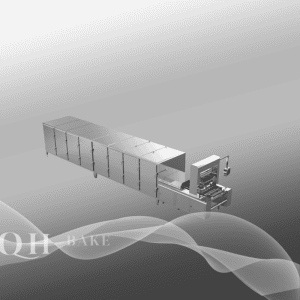
150自動澱粉レスグミキャンディ充填ライン:60,000グミ/時 機械内部の金型280個 8-10PH 冷却ユニット
-
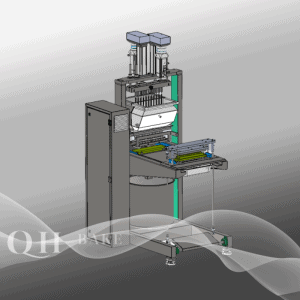
20Sサーボフォームキャンディ充填装置:キャビティPCS:±20; 100x80x160サイズ(cm)
-
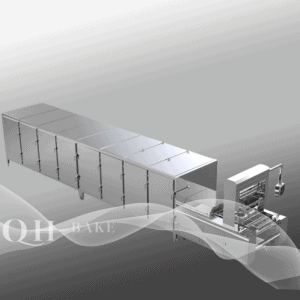
300 自動澱粉レスグミキャンディ充填ライン 120,000グミ/時間 8-10PH 冷却ユニット 280個のツインモールド内蔵機
-
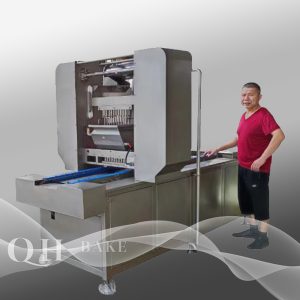
50Sサーボ制御キャンディデポジター:サーボ; キャビティPCS:±20; 200x100x170サイズ(cm)
-
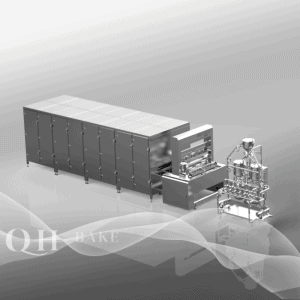
600自動澱粉レスグミキャンディ充填ライン:240,000グミ/時 10-20PH 冷却ユニット 520個のツインモールド内部機械
-
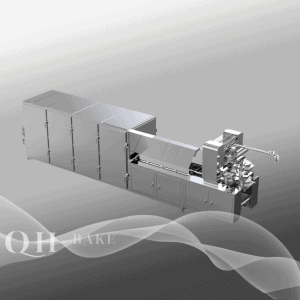
80自動グミキャンディ生産ライン:40,000グミ/時5-8PH冷却ユニット機械内部の金型200個
-

Slaes の自動クッキー生産ライン – クッキー マシン
-

販売のための自動こんにゃく真珠製造機 - サプライヤーと製造業者
-

販売のための自動ロリポップ生産ライン – Candy Machine Factory
-

自動スターチレス充填生産ライン:キャンディ製造に革命を起こす
-

Biscuit Plant Machinery
-
ビスケット生産ライン

 日本語
日本語  English
  Español de México
  Français
  Deutsch
  한국어
한국어  Italiano
  Português do Brasil
  Dansk
Dansk  Svenska
  Nederlands
  Русский